Maritime Salvage Law: Key Principles and Rights
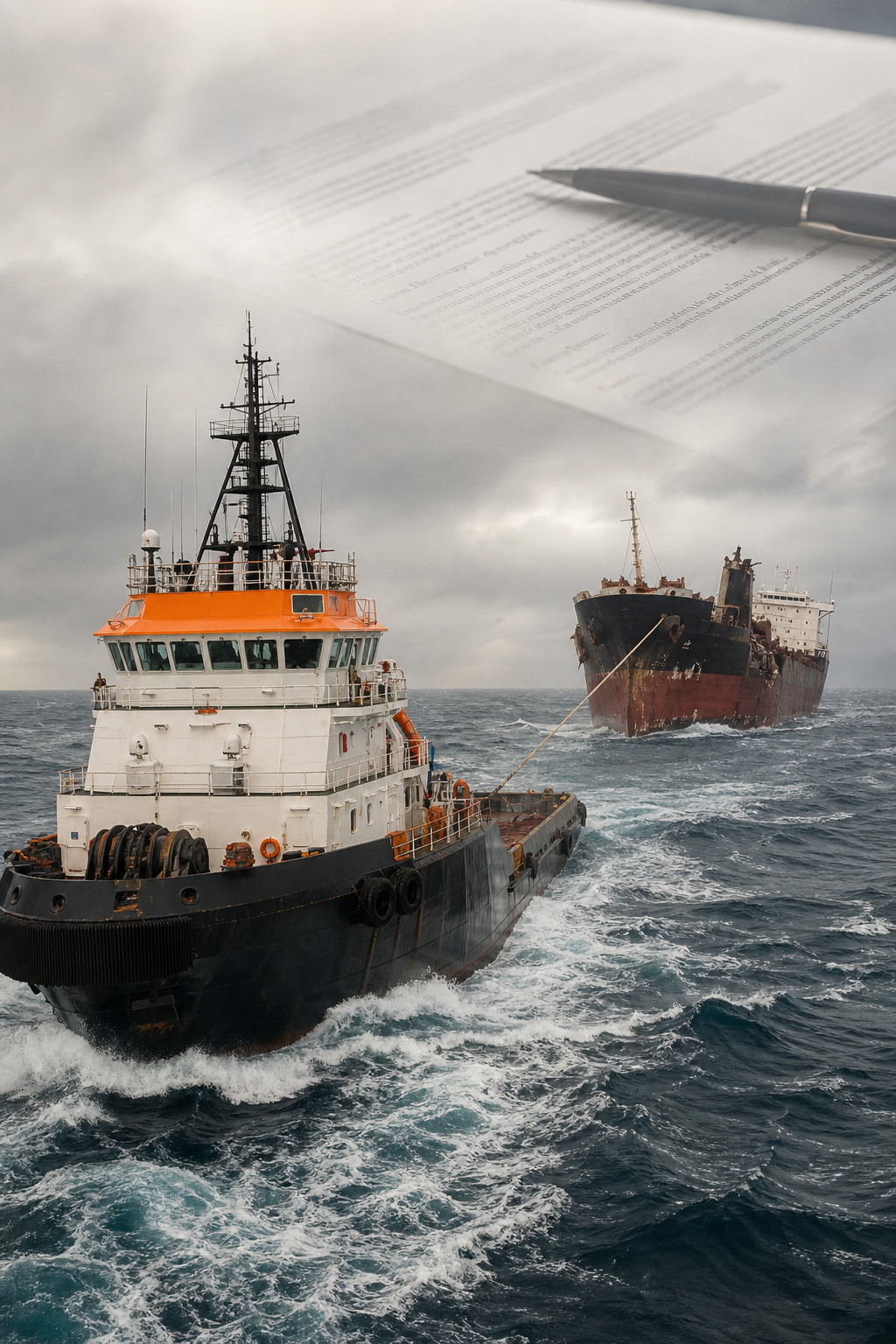
Maritime salvage law determines who gets paid when a ship or cargo is rescued at sea. It rewards voluntary rescuers and sets rules for compensation. This guide explains the core principles, legal framework, and steps involved in a salvage claim.
What Is Maritime Salvage Law?
Salvage law is a branch of admiralty law that encourages the rescue of maritime property in peril. It gives salvors, the people or companies doing the rescue, a right to claim a reward for their efforts. The reward is a percentage of the value saved. The goal is simple: make it worth the risk to save ships, cargo, and the environment.
For a salvage claim to hold, three things must be true: the property was in danger, the salvor acted voluntarily (no pre-existing duty), and some property was successfully saved. This area of law goes back centuries, but its modern shape comes from international treaties and standard contracts. For a broader view of admiralty law, see Admiralty and Maritime Law Explained 2026.
Legal Framework and International Conventions
The main treaty is the International Convention on Salvage, adopted in 1989. It sets uniform rules for salvage claims worldwide. The U.S. Coast Guard has published the full text of the convention, which outlines salvor rights, reward criteria, and environmental protections. You can read the 1989 Salvage Convention PDF for the exact language.
Alongside the convention, the most widely used salvage contract is Lloyd's Open Form (LOF). LOF works on a "no cure, no pay" basis and includes a clause called SCOPIC (Special Compensation P&I Clause) that covers expenses when salvors prevent pollution but fail to save property. The convention and LOF together govern most major salvage operations today.
Types of Salvage Operations
Salvage operations fall into two legal categories: pure salvage and contract salvage. In pure salvage, the salvor acts without a prior agreement. If successful, a court sets the reward, usually between 10% and 25% of the salved value. In contract salvage, the owner and salvor agree on terms before work starts, often using LOF.
Operationally, salvage includes harbor salvage (clearing ports), wreck salvage (recovering sunken vessels), afloat salvage (towing disabled ships), and clearance salvage (removing hazards). Modern tools like salvage airbags and ROVs have made operations safer. The video below explains the different types in action.
Key Principles of Salvage Law
The most important principle is no cure, no pay. If the salvor fails, they get nothing. This rule encourages salvors to take on risky jobs only when success is likely. The 1989 convention enshrines this, but adds exceptions for environmental salvage, where efforts to prevent pollution earn compensation even if no property is saved.
The salvage award is not a random figure. Courts apply a list of factors to decide the amount. The International Salvage Union explains these criteria based on the convention. According to marine-salvage.com, factors include: the degree of danger, the value of property saved, the skill and effort of salvors, the time and expenses incurred, and the salvor's investment in equipment.
The table below summarizes the main criteria for setting a salvage award.
The Salvage Process from Incident to Reward
When a vessel gets into trouble, here's what happens: First, a salvor arrives and offers assistance. If it's a pure salvage, no contract is signed yet, the salvor just acts. If it's contract salvage, they sign a LOF or similar agreement. The salvor then performs the rescue: towing, patching leaks, extinguishing fires, or refloating.
Once the property is safe, the claim process begins. The salvor files a claim in admiralty court or goes to arbitration under LOF. The court or arbitrator weighs the factors above and sets a reward. The reward is paid out of the salved value. Under U.S. law, salvage claims must be filed within two years of the service, as noted in 46 U.S.C. § 80107(c) from marineinjurylaw.com.
Maritime liens are also important. A successful salvor gets a lien on the saved vessel, which stays with the ship even if it's sold. That gives salvors strong security for payment.
Frequently Asked Questions
What does "no cure, no pay" mean in salvage law?
It means salvors only get paid if they succeed in saving property. If the operation fails, they receive nothing. This principle is the foundation of most salvage contracts and is codified in the 1989 Salvage Convention.
How is a salvage award calculated?
Courts consider several factors: the value of the saved property, the danger involved, the skill and effort of the salvors, their expenses, and any environmental protection measures. The reward is a percentage of the salved value, typically between 10% and 25%.
What is the difference between pure salvage and contract salvage?
In pure salvage, there is no pre-existing agreement, the salvor acts voluntarily and later gets a court-awarded reward. In contract salvage, the parties agree on terms (often using Lloyd's Open Form) before work starts. Contract salvage is more common for large operations.
What is SCOPIC in salvage law?
SCOPIC stands for Special Compensation P&I Clause. It is a clause in LOF that ensures salvors are reimbursed for expenses when they prevent environmental damage, even if no property is saved. It provides a safety net for salvors handling pollution threats.
How long do I have to file a salvage claim in the U.S.?
Under federal law (46 U.S.C. § 80107(c)), salvage claims must be filed within two years from the date the salvage service was completed. If you miss this deadline, you lose your right to a reward.
Conclusion
Maritime salvage law is built on simple fairness: reward the rescuer, protect the environment, and keep commerce moving. Whether you're a vessel owner facing a claim or a salvor seeking compensation, understanding these principles is critical. For complex cases, consulting an experienced maritime attorney is a smart move. At maritimeattorney.ai, we help clients handle salvage disputes and ensure their rights are protected. Explore our resources to learn more about admiralty law and how it applies to your situation.