Maritime Medical Exam: What It Is, Who Needs It, and How It Works
Need a clear picture of the maritime medical exam? Here’s everything you need to know , from the basics to the paperwork, the exam steps, and the pitfalls that can delay your certification.
What Is a Maritime Medical Exam?
A maritime medical exam is a health check that proves a seafarer is fit for duty on board a vessel. The exam looks at vision, hearing, cardiovascular health, and any condition that could endanger the crew or the ship.
The International Labour Organization (ILO) and the International Maritime Organization (IMO) set the standards that doctors follow when they assess a seafarer’s fitness. These guidelines cover everything from basic vital signs to more specific tests required for certain watch‑keeping roles. ILO medical‑fitness guidelines
Doctors usually perform the exam in an approved maritime clinic. The result is a certificate , often called an ENG 1 in the UK or an equivalent document elsewhere , that the seafarer presents to the shipowner or flag state.
Who Needs a Maritime Medical Certificate?
Anyone whose normal place of work is a ship must hold a valid medical certificate. That includes deck officers, engineers, ratings, and even catering staff on large vessels.
The UK Maritime and Coastguard Agency (MCA) requires the ENG 1 certificate for anyone working on a merchant ship under the Maritime Labour Convention. The agency also keeps a list of approved doctors who can issue the certificate. MCA medical‑certification guidance
There are a few exceptions. Short‑term, one‑off contracts for roles such as temporary deckhands or holiday‑season crew may not need a full exam, though the employer can still request one.
If you’re looking for legal help handling the medical‑certification process, offshore injury lawyers can guide you through documentation and appeal any deferral. They know the paperwork inside out and can advise on how to avoid delays.
What Happens During the Examination?
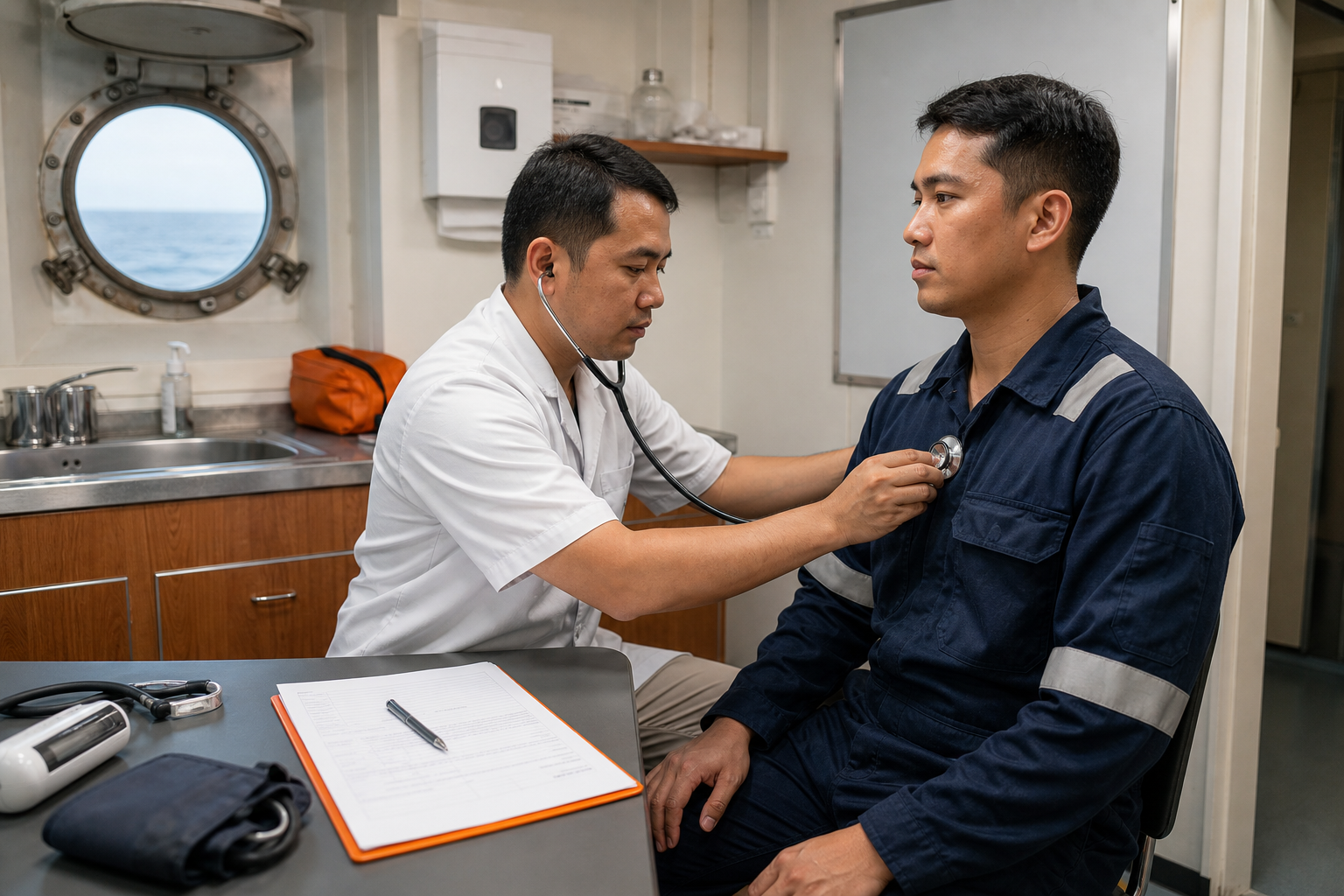
The exam follows a set routine that mirrors the ILO/IMO guidelines. First, the doctor checks your identity and reviews any existing medical records.
Next comes a physical assessment:
- Vision test , both distance and near vision, plus color‑vision screening.
- Hearing test , conducted in a sound booth with an audiometer.
- Blood pressure and heart‑rate check.
- Respiratory exam , listening for any abnormal sounds.
- General musculoskeletal review , ensuring you can handle the physical demands of ship life.
If any red flags appear, the doctor may order further tests before issuing the certificate.
Once the doctor signs off, you receive the certificate on the same day in most cases. Some jurisdictions may issue a temporary certificate if additional review is needed.
Documents, Standards, and Jurisdictional Differences
Different flags and countries have slightly different paperwork requirements, but the core documents stay the same:
- Medical examination report (often called ENG 2 in the UK).
- Notice of failure or restriction (ENG 3) if the doctor finds an issue.
- The final certificate of medical fitness (ENG 1).
- Any supporting lab results or specialist reports.
Standards are drawn from the STCW Convention, the Maritime Labour Convention, and national regulations. For example, the United States follows the Coast Guard’s fitness‑for‑duty standards, while Norway aligns with its own maritime authority’s rules.
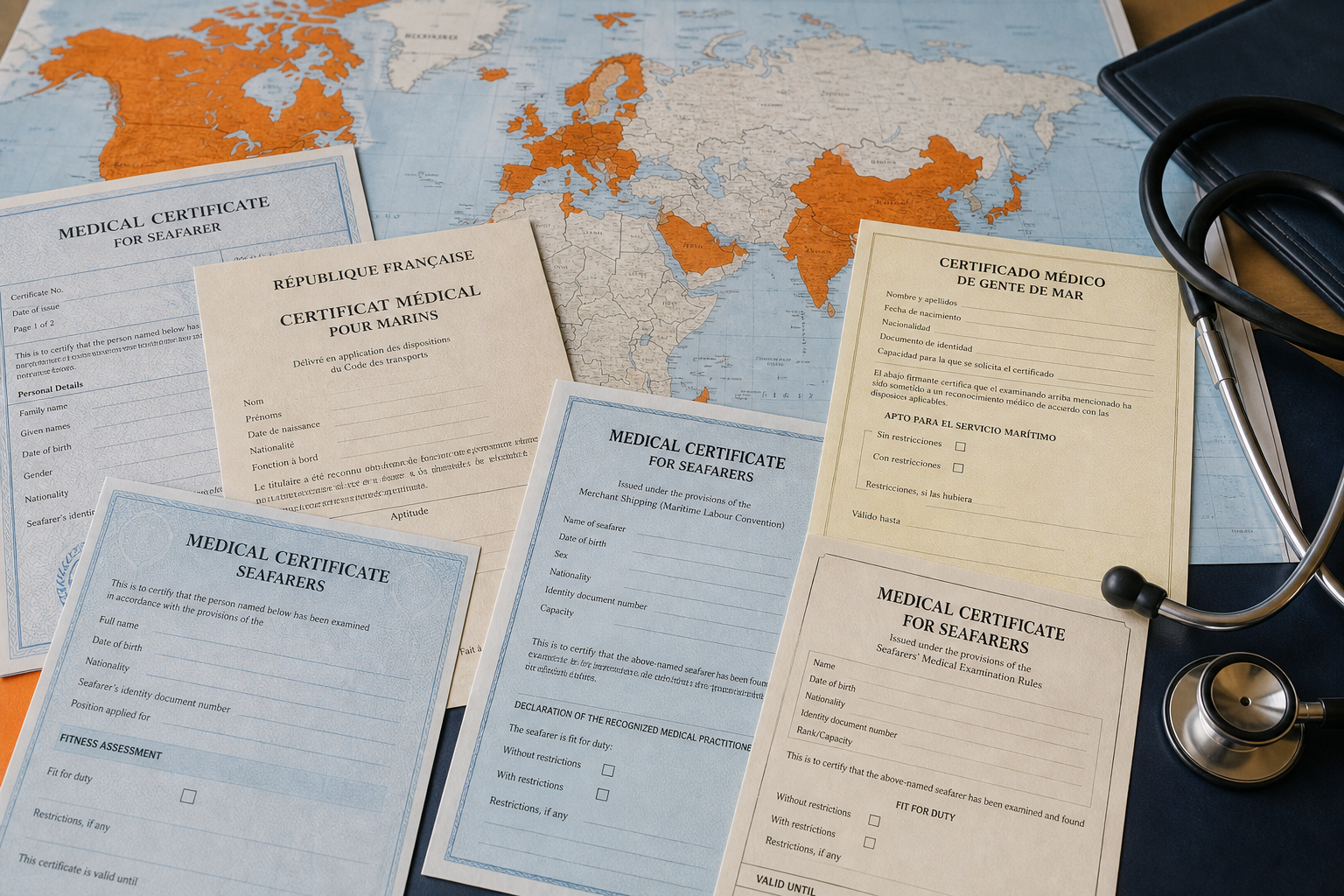
Because each flag state may have its own list of approved doctors, always verify that your examiner is recognized by the vessel’s flag authority before you book the appointment.
Common Reasons for Deferral or Failure
Even a small health issue can pause your certification. Here are the most frequent causes:
- Uncontrolled hypertension or heart disease.
- Vision that fails the required acuity or color‑vision standards.
- Hearing loss beyond the acceptable threshold.
- Untreated infections or contagious diseases.
- Recent surgery that limits mobility or poses a risk of complications at sea.
The U.S. Coast Guard’s fitness‑for‑certification guidance outlines these thresholds and explains when a temporary or permanent unfit status is applied. USCG fitness guidelines
If you receive a failure notice, you can request an independent medical review. The process involves a second‑opinion doctor who evaluates the original findings and may overturn the decision if the evidence supports fitness.
FAQ: Maritime Medical Exam
What is the purpose of a maritime medical exam?
The purpose is to ensure a seafarer can safely perform job duties at sea without risking personal health or the safety of the crew and vessel.
How long is a maritime medical certificate valid?
Validity varies by flag state but most certificates last five years unless a condition changes; some countries issue two‑year certificates for certain roles.
Can I use a foreign medical certificate on a UK‑flagged ship?
Yes, if the foreign certificate is issued by a doctor approved by the UK MCA or an equivalent authority listed in the MCA’s annexes.
What should I bring to my medical exam?
Bring a valid ID, any prescription glasses, a list of current medications, and past medical records. Having these items helps the doctor complete the exam quickly.
What happens if I fail the exam?
If you fail, you’ll receive an ENG 3 notice explaining the reason. You can then seek an independent review or address the health issue before re‑testing.
Do I need a medical exam for short‑term or seasonal work?
Short‑term contracts often exempt you from a full exam, but the employer may still request a basic health check to protect the crew.
Conclusion
If you need a maritime medical certificate, start by finding an MCA‑approved doctor, gather your documents, and schedule the exam early to avoid delays. For personalized guidance, reach out to a maritime attorney who can help you handle any deferrals and keep your career on course.
Ready to put this into practice? maritimeattorney.ai was built for exactly this.