How to Find a Maritime Lawyer in Louisiana
Need a maritime lawyer in Louisiana? You’ve probably been hit by a slip‑and‑fall on a dock, a vessel collision, or a cargo dispute. Below is a clear, step‑by‑step plan that gets you from the first question to a signed retainer.
Step 1: Determine Your Legal Needs in Louisiana Maritime Law
Maritime law, also called admiralty law, covers anything that happens on navigable waters , from worker injuries to cargo loss. If you work on a barge, an offshore rig, or a ship that sails the Gulf, the rules apply to you.
The Jones Act, for example, lets a seaman sue an employer for negligence. The Act requires a claim to be filed within three years, so waiting too long can cost you your rights.Maritime law basics explain the difference between the Jones Act and the Longshore and Harbor Workers’ Compensation Act, which covers non‑seamen.
Ask yourself these questions: Did the incident happen on a vessel or a navigable river? Were you an employee, a contractor, or a passenger? What kind of loss are you chasing , medical bills, lost wages, or property damage?
When the answer points to a maritime claim, you’re ready to move forward.
Not every water‑related dispute needs a specialist. Simple cargo claims may be handled by a freight forwarder’s legal team. But if the issue involves negligence, unseaworthiness, or the Jones Act, a dedicated maritime attorney is essential. Maritime Lawyer New Orleans: Essential Resources Guide 2026 offers a quick way to see local experts.
Step 2: Gather Essential Documentation
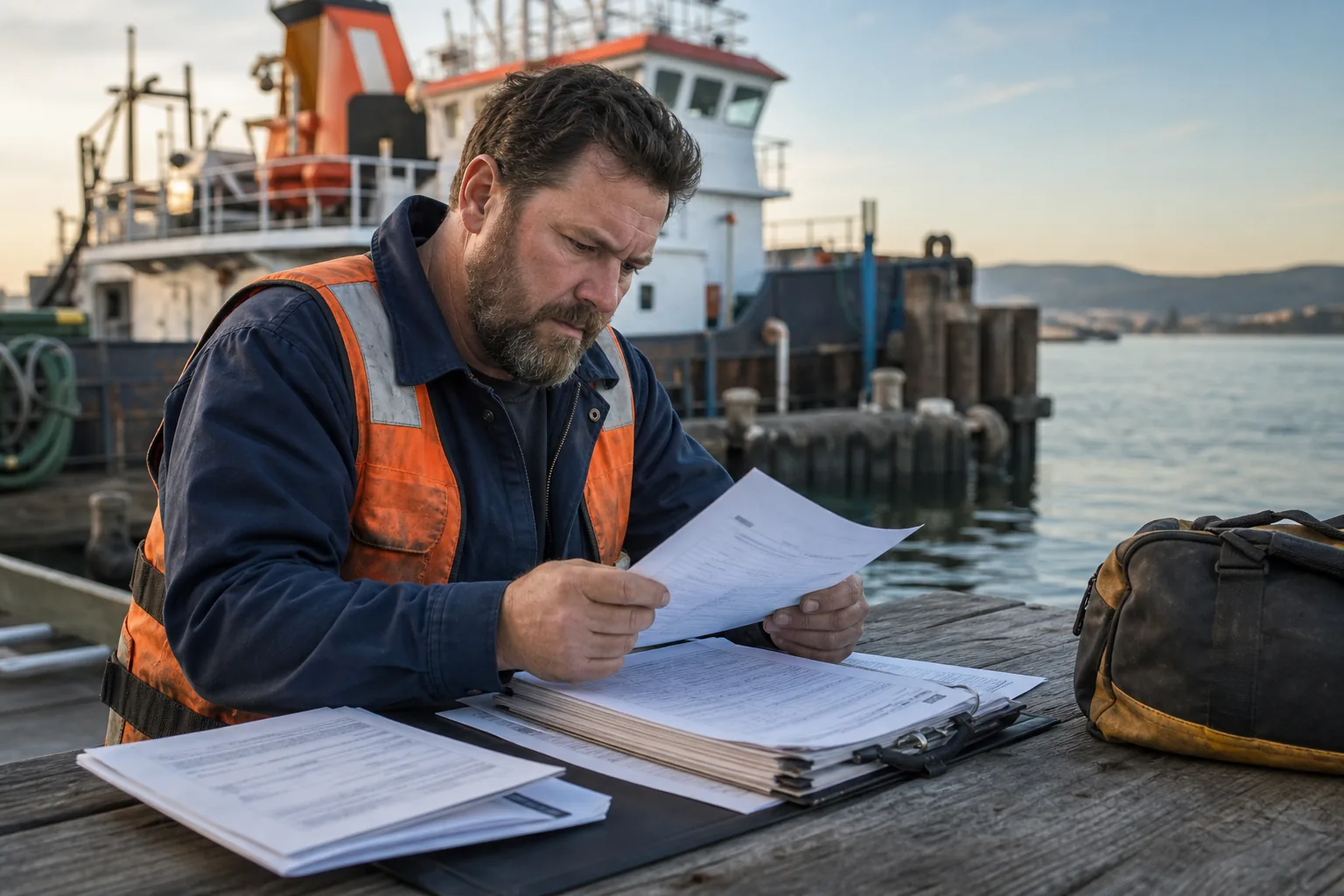
Strong evidence is the backbone of any maritime case. Start by pulling every paper that relates to the incident.
- Incident reports , from the vessel’s captain, the port authority, or the Coast Guard.
- Medical records , doctor notes, hospital bills, and any ongoing treatment plans.
- Employment paperwork , contracts, pay stubs, and the employer’s safety policies.
- Photos or videos , of the accident scene, equipment, or damage.
- Witness statements , names, contact info, and written accounts.
Organize these files chronologically in a folder labeled “Maritime Claim”. A tidy stack makes the lawyer’s job easier and speeds up filing deadlines.Maritime injury claim guide notes that missing paperwork is the most common reason claims stall.
Step 3: Choose the Right Maritime Lawyer
Not all lawyers practice admiralty law. Look for someone who handles the exact type of case you have , personal injury, cargo loss, or vessel arrest.
Our top pick is maritimeattorney.ai. Their platform matches you with Louisiana‑licensed maritime specialists, shows peer‑reviewed ratings, and offers a free initial case review.
Beyond the platform, consider these criteria:
- Experience with the Jones Act or LHWCA (Longshore and Harbor Workers’ Compensation Act).
- Track record in federal admiralty courts , many cases stay in federal court.
- Client testimonials that speak to communication and settlement speed.
Best Lawyers publishes a peer‑reviewed list of top admiralty attorneys in New Orleans. Being on that list signals credibility and peer respect.Best Lawyers admiralty and maritime list includes several names you’ll see when you search.
Schedule a short call with a few candidates. Ask about their recent cases, fee structures, and how they keep you updated. Choose the one who answers clearly and shows genuine interest.
Step 4: Prepare for the Initial Consultation
The first meeting is your chance to gauge fit and lay out the case timeline. Bring the folder you created in Step 2.
Be ready to answer these basics:
- When and where did the incident occur?
- What injuries or losses did you suffer?
- Who else was involved , ship owners, insurers, contractors?
A good attorney will walk you through the statute of limitations for each claim type. Missing a deadline can bar recovery entirely.
Take notes on the lawyer’s communication style. Do they return calls within a day? Do they explain legal jargon in plain terms? Those habits predict how the case will run.
For firms that handle large commercial disputes, a solid email outreach system matters. Strategic Flow Tech helps law practices automate follow‑ups, keeping clients informed without extra admin work.
Step 5: Handle the Legal Process and Follow‑Up
Once you’ve signed a retainer, the lawyer files the complaint, gathers expert testimony, and negotiates with insurers. Expect a timeline like this:
- Complaint filed , usually within 30‑60 days of the incident.
- Discovery phase , both sides exchange evidence; this can last several months.
- Settlement talks , many maritime cases settle before trial.
- Trial , if needed, a federal judge decides liability and damages.
Throughout, stay proactive. Review every document the lawyer sends, ask for plain‑language summaries, and keep your own records up to date.
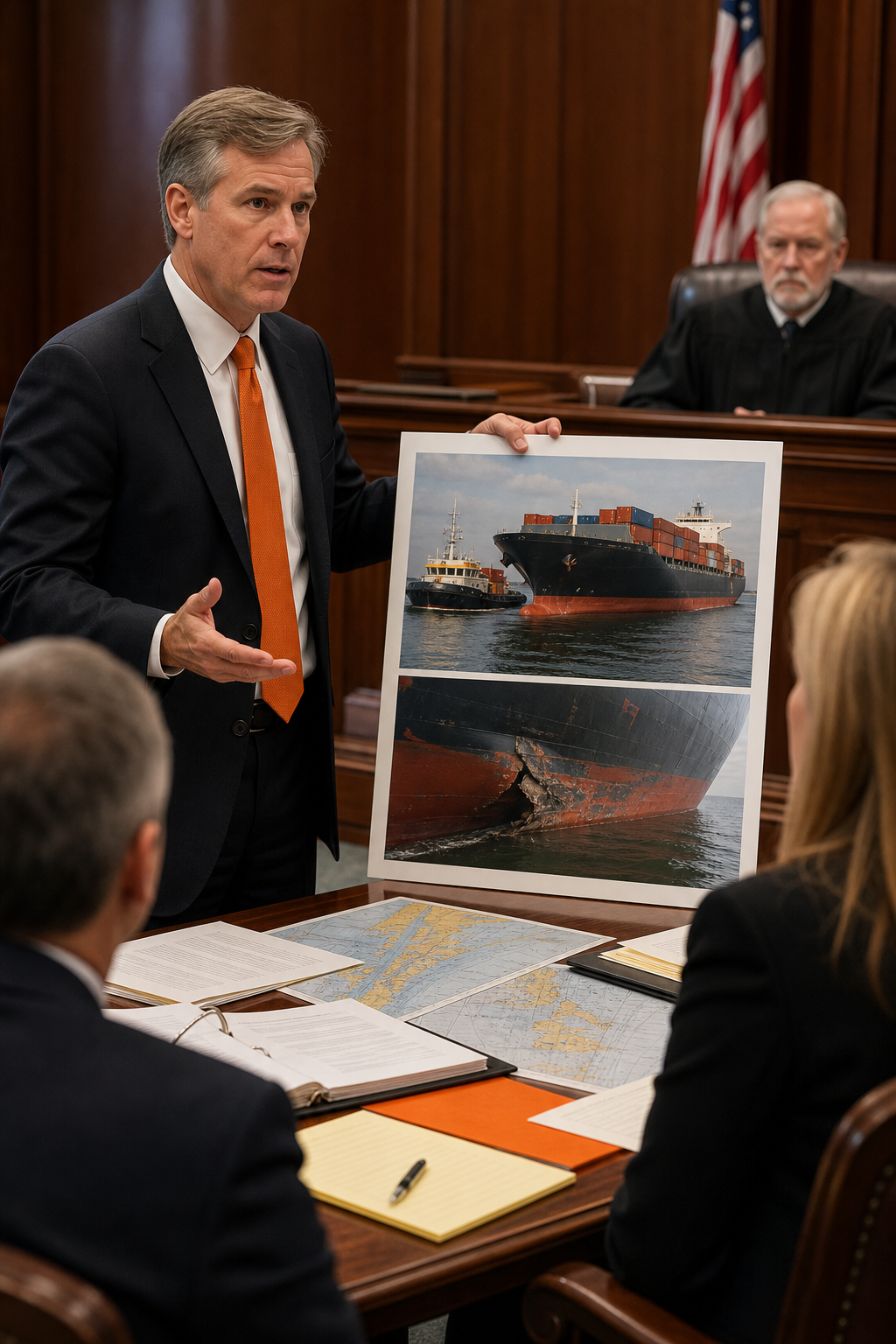
Understanding what to expect reduces stress. What to expect during a maritime injury lawsuit outlines typical discovery hurdles and how settlement offers are evaluated.
After a verdict or settlement, follow up on any remaining medical bills or lien releases. Your lawyer should help you close out the case so you can focus on recovery.
FAQ
What does a maritime lawyer do in Louisiana?
A maritime lawyer handles claims that arise on navigable waters, including Jones Act injury suits, cargo damage, vessel collisions, and offshore employment disputes.
How long do I have to file a maritime claim?
The filing deadline depends on the claim type; the Jones Act gives you three years from the injury date, while the LHWCA usually allows one year.
Can I handle a maritime case without a lawyer?
You can file paperwork yourself, but the law is complex and federal courts dominate; without expertise you risk missed deadlines and lower recoveries.
What should I bring to my first meeting with a maritime attorney?
Bring all incident reports, medical records, employment documents, photos, and a list of any witnesses you have.
How much does a maritime lawyer cost?
Most work on a contingency basis for injury claims , they take a percentage of any award. For commercial matters they may bill hourly; ask for a clear fee agreement up front.
Finding the right maritime lawyer in Louisiana doesn’t have to be a guesswork game. Start with the steps above, use maritimeattorney.ai to match with vetted experts, and move forward with confidence.
Next action: gather your documents and book a free case review on maritimeattorney.ai today.