Jack Up Rig Accident: Causes, Legalities & Prevention
Jack up rigs are the workhorses of shallow‑water drilling, but a slip or faulty leg can turn a routine day into a disaster. If you or a loved one faces a jack up rig accident, you need to know what went wrong, what the fallout looks like, and how to protect your rights.
Understanding Jack Up Rigs and Their Accident Risks
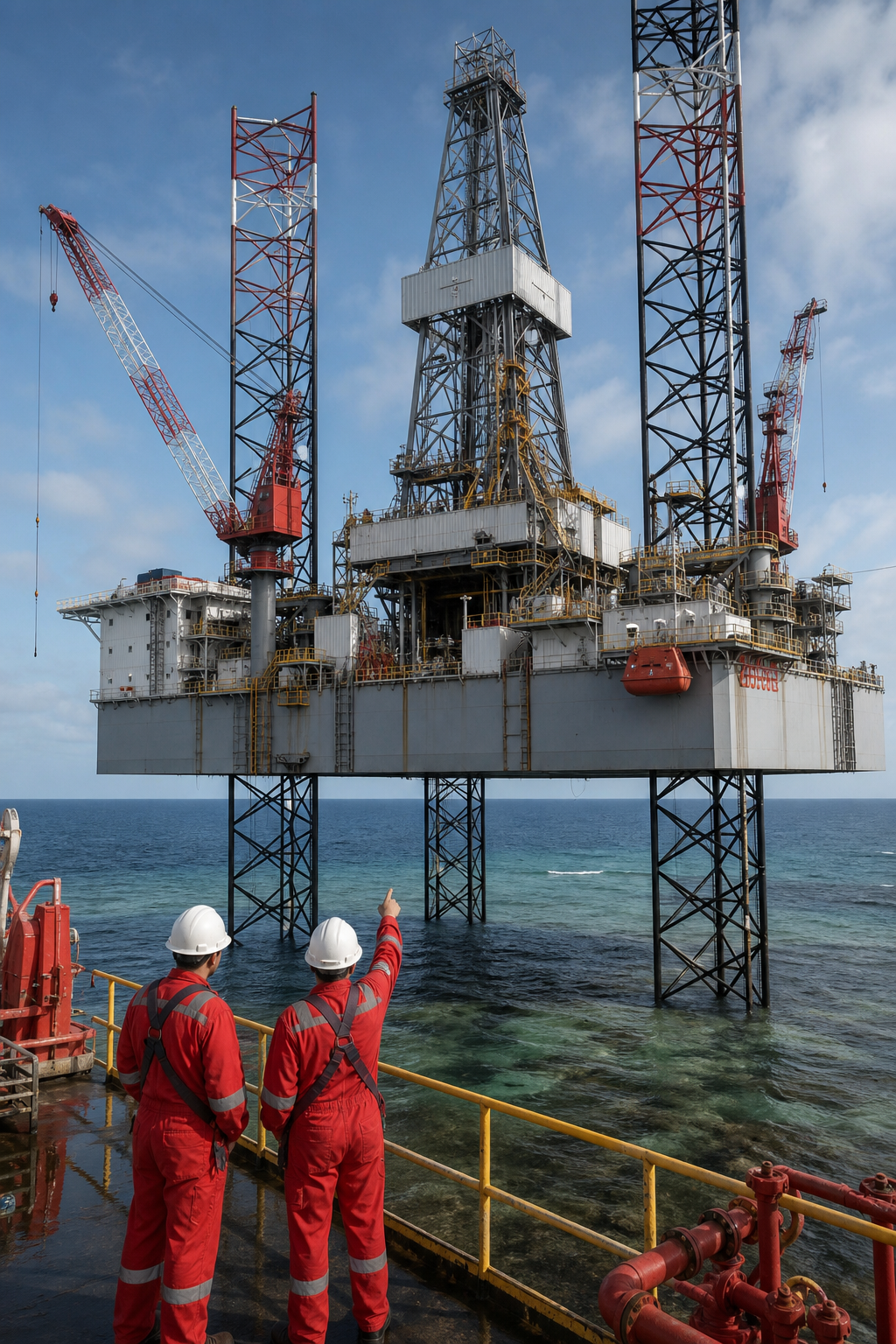
A jack up rig is a mobile offshore platform that floats to a site, then lifts its hull on extendable legs anchored to the seabed. The floating hull lets the rig travel like a ship, while the legs give it a stable, improved work deck. This design lets crews drill in water up to about 400 ft deep without a permanent structure.The LMITAC overview notes that the rigs run at 92‑97 % utilization in regions like Southeast Asia and the Gulf of Mexico because they are quick to set up and can be reused across fields.
Three core components make the system work: a hull, a set of legs that can move independently, and a hydraulic or electric jacking system that pushes the legs down while raising the hull. When the legs hit the seafloor, the jacking system locks the platform in place, creating a steady platform that’s largely immune to waves and wind.
Because the legs bear the entire load, any mis‑alignment, soft seabed, or mechanical fault can jeopardize stability. Workers on the deck operate at height, handling heavy pipe, mud, and chemicals, which adds layers of risk. The combination of height, heavy equipment, and a moving platform makes accidents more likely on jack up rigs than on fixed platforms.
Common Causes of Jack Up Rig Accidents
Accidents on jack up rigs rarely have a single cause; they usually stem from a mix of human, mechanical, and environmental factors. The most frequent triggers include:
The PDF study from City St Georges details how each cause intertwines with safety culture. For instance, a leg‑placement error often follows a rushed pre‑drill checklist, while jacking failures can be traced back to missed hydraulic‑system inspections. The technical report shows that rigs with strong predictive‑maintenance programs see 30 % fewer leg‑related incidents.
Consequences of Jack Up Rig Accidents
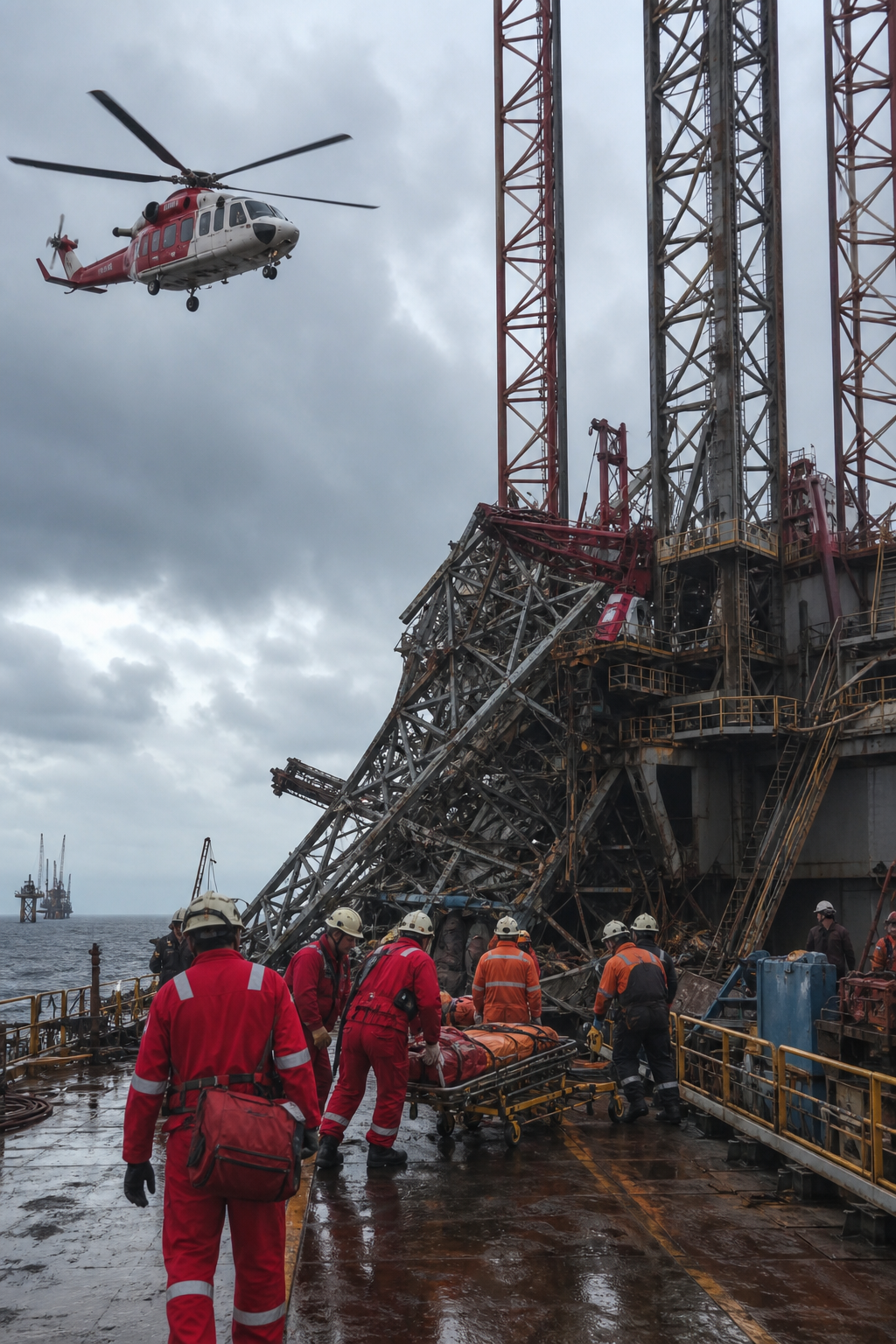
When a jack up rig goes wrong, the fallout can be severe. Fatalities on offshore rigs far outpace those on land‑based jobs. The U.S. Bureau of Labor Statistics recorded 113 deaths in the mining, quarrying, and oil‑and‑gas extraction sector in 2023, many tied to rig incidents.HurtCallbert’s analysis points out that falls, equipment crushes, and explosions make up the bulk of those deaths.
Beyond loss of life, survivors often face lifelong injuries: broken bones, spinal damage, severe burns, or chronic respiratory problems from exposure to toxic gases. These injuries lead to costly medical bills, lost wages, and emotional trauma that can ripple through families for years.
Legal consequences follow as well. Companies may face fines from regulators, costly settlements, and reputational damage that can affect future contracts. The financial ripple can be enough to push a small drilling contractor into bankruptcy.
Legal Recourse for Jack Up Rig Accident Victims
Workers injured on a jack up rig have several legal avenues. The most common is the Jones Act, which lets seamen sue their employers for negligence without first filing a workers‑comp claim. Because a jack up rig is considered a vessel, many offshore workers qualify as seamen under the Act.
For those who don’t meet the Jones Act’s definition, the Longshore and Harbor Workers’ Compensation Act (LHWCA) provides similar benefits, covering medical expenses, lost wages, and disability payments. The Outer Continental Shelf Lands Act also offers a federal remedy for injuries on offshore platforms. Hollingsworth Law Firm explains that a skilled jack up rig accident attorney can evaluate which statute applies, gather maintenance logs, interview witnesses, and build a case that isolates liability, whether it’s the rig owner, a contractor, or an equipment manufacturer.
Victims often turn to specialized maritime firms for help. Maritime Attorney’s offshore accident guide offers a clear roadmap for filing claims, from documenting the scene to handling the complex interplay of federal statutes.
Because each case hinges on detailed facts, like whether the rig’s leg‑placement procedure was followed or if the jacking system had a known defect, early legal counsel is important. Delays can erase evidence or run afoul of filing deadlines, which typically run three years from the accident date.
Preventing Jack Up Rig Accidents: Best Practices
Prevention starts long before the hull hits the water. A layered safety program that blends engineering controls, rigorous training, and real‑time monitoring cuts risk dramatically.
First, conduct a thorough geotechnical survey of the intended site. Knowing the seabed’s composition helps engineers choose the right leg‑type, independent legs for rocky bottoms, mat‑type legs for soft sediments. Second, implement a digital inspection checklist that tracks hydraulic pressure, leg‑pin wear, and weather thresholds. Third, install sensor‑based monitoring on the jacking system so crews receive alerts if pressure deviates from safe ranges.
Training must be hands‑on and scenario‑based. Workers should practice emergency evacuation drills on the improved deck, learn how to secure loose tools, and understand the chain of command during a lift. Finally, enforce a strict weather‑watch protocol; if wind speeds exceed the rig’s design limit, the lift must be halted.
When a company follows these steps, the likelihood of a leg‑failure or jacking‑system incident drops sharply. A 2022 safety audit of Gulf‑coast rigs showed a 45 % reduction in near‑miss reports after adopting sensor‑based monitoring and enhanced crew training.
Frequently Asked Questions
What is a jack up rig accident?
A jack up rig accident is any injury, fatality, or property damage that occurs on a mobile offshore drilling platform when its legs, hull, or equipment fail, or when human error leads to a hazardous event.
Are jack up rig workers covered by the Jones Act?
Yes, most offshore workers on jack up rigs qualify as seamen under the Jones Act, allowing them to sue their employer for negligence without first filing a workers’ compensation claim.
How quickly must I file a claim after a jack up rig accident?
Generally, you have three years from the date of the accident to file a lawsuit, but some statutes of limitation may be shorter, so it’s best to consult an attorney as soon as possible.
What are the most common injuries on jack up rigs?
Falls from height, crushing injuries from heavy equipment, burns from explosions, and respiratory issues from toxic gases are the leading injury types reported on offshore rigs.
Can a jack up rig accident lead to a wrongful‑death suit?
Yes, families of workers who die in a rig accident can pursue a wrongful‑death claim under the Jones Act or related maritime statutes to recover loss of support and funeral costs.
Do safety sensors really reduce accidents?
Data from recent Gulf‑coast safety audits show that rigs using real‑time sensor monitoring experienced 45 % fewer near‑miss events, indicating a strong correlation between technology and reduced risk.
Understanding the causes, consequences, and legal options for a jack up rig accident equips you to act decisively if the unthinkable happens.
For deeper insight into personal injury rights after an offshore mishap, explore our Oil Rig Accident guide and consider a free case review with a specialist.
Ready to put this into practice? maritimeattorney.ai was built for exactly this.