
Guide to Choosing the Right Maritime Law Attorney in 2026
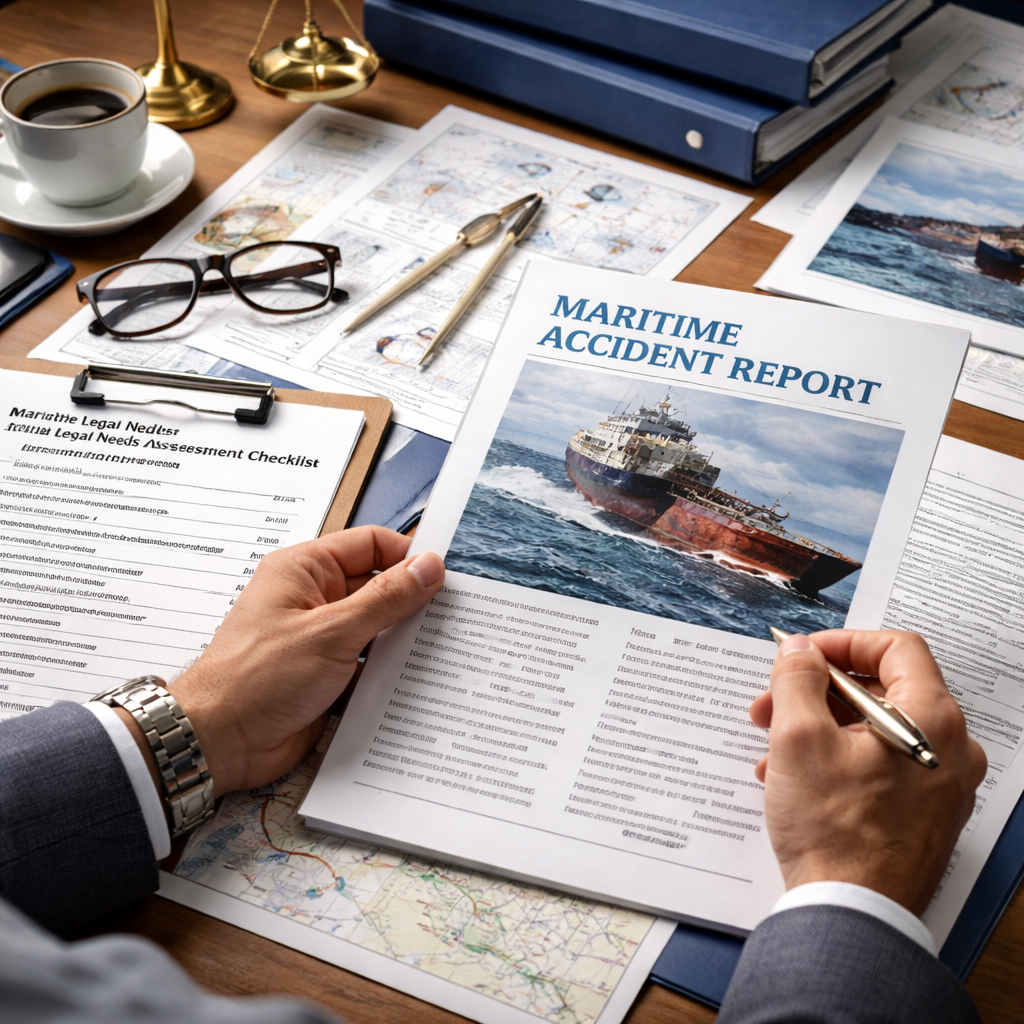
Choosing a maritime law attorney can feel like steering a tiny boat in a storm. You need the right guide to keep you safe and get the compensation you deserve. In this guide you’ll learn how to figure out what you need, where to look, how to compare lawyers, what to ask, and how to lock in a fair fee. Follow each step and you’ll be ready to pick the best legal partner for your case.
Understanding Maritime Law: What a Maritime Law Attorney Does
A maritime law attorney works on cases that happen on the water or involve ships. They handle personal injury claims, cargo disputes, ship collisions, and contract negotiations. Think of a seaman who gets hurt on a cruise ship. The attorney will check the Jones Act, see if the ship was unseaworthy, and then chase a settlement.
These lawyers also help with insurance fights, salvage awards, and pollution claims. They can appear before the Coast Guard, the Federal Maritime Commission, or the Department of Labor. Their job is to protect workers, passengers, and owners when something goes wrong at sea.
One firm that has handled thousands of cases points out that their attorneys have over 250 years of combined experience and have recovered more than $500 million for clients. They say they have dealt with Jones Act claims, general maritime law matters, and international conventions. This shows how deep the knowledge base can be.Lipcon Maritime Lawyer Overview
Another source explains that maritime injury cases differ from regular personal injury cases. The laws, deadlines, and defenses are unique. A maritime attorney can spot which law applies, keep evidence, guide medical paperwork, and push for a settlement or trial.BoatLaw on Maritime Lawyer Roles
Because the field mixes federal statutes, state rules, and international treaties, a maritime law attorney must stay current on things like the Carriage of Goods by Sea Act, the Oil Pollution Act, and the Hague-Visby Rules. They also need to know procedural rules for admiralty courts.
When you hire one, expect them to review the accident report, interview witnesses, and work with marine engineers. They will also calculate lost wages, medical costs, and pain‑and‑suffering. The end goal is to get you the maximum compensation while keeping the process as smooth as possible.
Step 1: Assess Your Maritime Legal Needs
The first thing you should do is figure out what kind of claim you have. Ask yourself: Was the injury on a U.S.‑flag vessel or a foreign‑flag ship? Did it happen in U.S. waters or on the high seas? The answers decide which statutes apply.
For example, the Jones Act only covers seamen on U.S.‑flag vessels, while the Longshore and Harbor Workers’ Compensation Act covers other maritime workers. If the accident happened more than three nautical miles from shore, the Death on the High Seas Act might apply for wrongful‑death claims.
Use a checklist to keep track of key facts. Write down the date, location, vessel name, crew members, and any medical treatment you received. Collect photos, logbooks, and witness statements as soon as possible. The more detail you have, the easier it is for a lawyer to build a strong case.
Here is a quick template you can copy:
- Date and time of incident
- Exact location (GPS if possible)
- Vessel name and flag
- Job role and duties at the time
- Injuries and medical care received
- Witness names and contact info
- Any paperwork you were given (accident report, medical forms)
Knowing your legal needs also helps you talk the right language to a lawyer. If you are unsure which law applies, a good maritime law attorney can guide you.
To learn more about how geography and worker status affect which law applies, .BoatLaw on Where Maritime Laws Apply
Another helpful resource is a case‑management checklist that walks you through each stage, from intake to settlement. It reminds you to keep all documents in one folder and to meet every filing deadline.Maritime Case Management Checklist
While you gather facts, think about prevention too. Teaching kids water safety can lower the chance of accidents.Baby Otter Swim Schooloffers programs that teach young children how to stay safe around water, which can reduce future claims.
Once you have this information, you’re ready to move to the next step: finding lawyers who actually handle cases like yours.
Step 2: Research Qualified Maritime Law Attorneys
Now that you know what you need, start looking for attorneys who specialize in that area. Not every lawyer handles maritime law. Look for keywords like "maritime law attorney," "admiralty lawyer," or "Jones Act attorney" on their website.
Check professional directories, state bar listings, and legal review sites. See if the lawyer is a member of the Maritime Law Association or holds the title of Proctor in Admiralty. Those designations show they have met strict standards.
Make a shortlist of three to five names. Write down each lawyer’s office address, phone number, and a brief note on what they claim to specialize in. This will help you compare later.
s, but take them with a grain of salt. Look for patterns: do many clients mention fast responses? Do they talk about successful settlements? Consistent positive feedback is a good sign.
When you find a firm that looks promising, check if they have handled cases similar to yours. A lawyer who has fought a ship‑collision claim or a Jones Act injury will know the nuances better than a general personal‑injury attorney.
Here is a short video that explains how to vet a maritime lawyer online. It walks you through checking credentials, looking at case history, and asking the right questions.
After you have your shortlist, reach out for a free consultation. Most maritime law attorneys offer a no‑cost initial meeting to see if they can help.
One online resource that ranks maritime lawyers across the country is Best Lawyers. It lists attorneys by city and practice area, and you can filter for Admiralty and Maritime Law.Best Lawyers Maritime Rankings
Another site that offers a focused guide on offshore injury lawyers can help you if your case involves offshore rigs or high‑seas work.Knightshead on Offshore Injury Lawyers
Step 3: Compare Experience, Credentials, and Track Record
With a short list in hand, it’s time to dig deeper. Experience matters a lot in maritime law because each case can involve complex statutes and international conventions.
Ask each attorney how many Jones Act cases they have tried, how many settlements they have won, and whether they have taken any cases to appellate court. A lawyer who has secured large verdicts can be a strong advocate for you.
Check their credentials. Look for bar admission in the state where your case will be filed, membership in the Maritime Law Association, and any proctor‑in‑admiralty titles. These signals show they have met higher standards.
Use a table to compare the key points. Below is a simple example you can fill in as you interview lawyers.
| Lawyer | Years in Maritime Law | Jones Act Cases | Success Rate | Proctor in Admiralty |
|---|---|---|---|---|
| — | — | — | — | — |
When you look at success rates, remember that every case is different. A high win rate is a good sign, but also ask about the size of the settlements. Bigger numbers usually mean the lawyer knows how to argue for higher damages.
Don’t forget to ask about resources. A maritime case often needs expert witnesses like marine engineers or salvage specialists. A firm that has a network of these professionals can move faster.
One lawyer’s profile notes that they have represented clients in over 4,000 cases and have been named to “Best Lawyers” and “Lawyer of the Year” awards. Those accolades can give you confidence in their ability.Lipcon Awards and Experience
Here is where you place the only internal link for this article. It leads to a detailed guide on admiralty lawyers, which can help you understand the role even better.Admiralty Lawyer Guide: Navigating Maritime Law with Expert Advice 2026
Finally, compare fees alongside experience. A higher fee might be worth it if the lawyer can secure a larger settlement. Use the next step to weigh costs.
Step 4: Conduct Consultations and Evaluate Compatibility
Consultations are your chance to see if the lawyer is a good fit. You want someone who listens, explains things simply, and shows empathy.
During the meeting, ask about their communication style. Will they call you, email, or use an online portal? Knowing how often you’ll hear updates can reduce stress.
Ask about similar cases they have handled. A lawyer who has fought a deck‑hand injury claim or a cruise‑ship passenger case will understand the nuances of your situation.
Pay attention to how they answer. Do they give clear, honest assessments of your chances? Do they explain the steps they will take? A transparent lawyer will outline the process, potential risks, and timelines.
Take notes on their demeanor. Do they seem rushed, or do they take time to answer each question? Trust your gut , you’ll be working closely with them for months, maybe years.
One firm suggests asking about fee structures up front, because most maritime attorneys work on a contingency basis. That means they only get paid if you win, but the percentage can vary.
Another tip is to request references. Talk to past clients about how the lawyer handled their case, how often they heard from the firm, and whether they felt supported.
When you compare several attorneys, create a pros‑and‑cons list for each. Look at experience, communication, fee, and your personal comfort level.

If you need software to keep track of all the information you gather, you might consider a legal‑tech partner. For example, Ryplix builds custom tools for law firms, which can help organize documents and client communications.Ryplix Legal‑Tech Solutions
Step 5: Review Fees, Contracts, and Retainer Agreements
Before you sign anything, read the fee agreement carefully. Most maritime law attorneys work on a contingency fee, often around 40% of any settlement or verdict.
One firm explains that they charge a flat 40% fee and pay all case expenses up front. If the case settles, the fee is taken from the payout. If it doesn’t settle, the client owes nothing.Jones Act Law Firm Fee Structure
Make sure the agreement spells out what costs are included. Some firms advance expert witness fees, filing fees, and travel costs. Ask whether those expenses will be deducted from your settlement before or after the attorney’s cut.
Look for any “escalating fee” language. Some firms increase their percentage as the case moves forward. A simple, flat fee is easier to understand and less likely to surprise you later.
Retainer agreements may also cover how the firm will keep you updated. Does the contract say you’ll get a monthly status email? A phone call after every major development? Knowing this up front helps you avoid feeling left in the dark.
If the lawyer offers a service retainer rather than a contingency, compare the annual cost to the potential value of the case. Some firms provide unlimited advice for a set yearly fee, which can be useful for businesses that face ongoing maritime issues.Qwest Legal Service Retainer
Ask about what happens if you decide to end the relationship early. Will you owe any fees for work already done? A clear exit clause can protect you.
When you have all the details, you can decide if the fee structure matches the expected outcome. Remember, a higher fee may be justified if the lawyer has a track record of large settlements.
Additional Resources for Maritime Law Cases
Even after you pick a lawyer, it helps to know where to find reliable information. Government agencies, legal libraries, and professional groups all publish useful guides.
The U.S. Coast Guard website has a section on navigation rules, safety standards, and accident statistics. Those reports can be useful when you need to show how common a type of accident is.Loyola Law Library Maritime Resources
The Maritime Law Association of the United States (MLA) offers CLE courses, newsletters, and a directory of qualified maritime lawyers. Joining the MLA or attending its meetings can give you access to the latest case law and policy updates.Maritime Law Association Overview
Legal research databases like Westlaw and LexisNexis hold court opinions and regulations. If you have access through a law school or a public library, you can search for recent decisions that might affect your claim.
International treaties, such as the Hague‑Visby Rules, are stored in the U.S. Treaties and Agreements Library on HeinOnline. Knowing which treaty governs your cargo dispute can shape the legal strategy.
Finally, keep a running file of all your communications, receipts, and medical records. A well‑organized case file makes it easier for your attorney to pull the right document when the deadline comes.
FAQ
What does a maritime law attorney actually do?
A maritime law attorney handles legal issues that happen on or near water. They work on personal injury claims, ship collisions, cargo losses, and contract disputes. They know the Jones Act, the Carriage of Goods by Sea Act, and other statutes that apply to vessels. By filing the right paperwork and negotiating with insurers, they aim to get you the compensation you deserve.
How can I tell if a lawyer specializes in maritime law?
Look for keywords on their website like "maritime law attorney" or "admiralty lawyer." Check if they are members of the Maritime Law Association or hold a Proctor in Admiralty title. You can also ask them directly how many Jones Act or ship‑collision cases they have handled in the past.
Do I need a maritime law attorney if my injury happened on a river?
Yes, many maritime statutes cover inland waterways as well as oceans. The Jones Act can apply if the vessel is used for interstate or foreign commerce. A maritime law attorney will examine the location, vessel type, and your job role to decide which law gives you the best protection.
What should I bring to my first consultation?
Bring any accident reports, medical records, photos, witness names, and a timeline of events. Write down your questions about experience, fees, and strategy. The more you share up front, the faster the attorney can assess the strength of your case.
How are fees typically structured for maritime cases?
Most maritime law attorneys work on a contingency basis, usually around 40% of any settlement or verdict. They often advance costs for experts and filing fees, which are later deducted from the award. Some firms offer a flat‑fee retainer for ongoing advice, especially for businesses with frequent maritime issues.
Can I switch attorneys if I’m not happy with the one I chose?
Yes, you can change lawyers at any time, but you should review the fee agreement first. Some contracts include a clause about how expenses already incurred will be handled. Talk to the new attorney about any pending deadlines before making a switch.
What resources can help me understand my maritime case?
Government sites like the U.S. Coast Guard, legal libraries such as Loyola’s maritime guide, and professional groups like the Maritime Law Association all provide free information. They offer statutes, case law, and practice tips that can help you and your attorney build a stronger claim.
Conclusion
Finding the right maritime law attorney takes time, but the payoff is worth the effort. Start by figuring out which law applies to your situation, then gather every piece of evidence you can. Research lawyers who focus on maritime cases, compare their experience and fees, and meet with them to contracts carefully and make sure you understand the fee structure before you sign. With a solid plan and the right partner, you’ll be in a strong position to get the compensation you deserve.
Ready to protect your rights and move forward with confidence? Try our solution free →
If you’re ready to take the next step, schedule a free consultation with a qualified maritime law attorney today. You’ll get a clear roadmap, no upfront costs, and a partner who knows how to fight for you at sea and in court.